Christmas Advent Calendar Graphic Month Review
A First Look at the Visual Mood and Theme
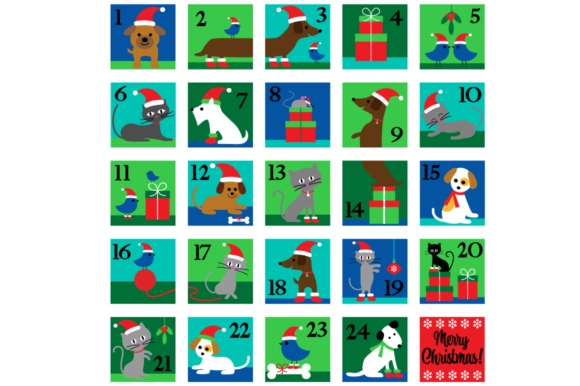
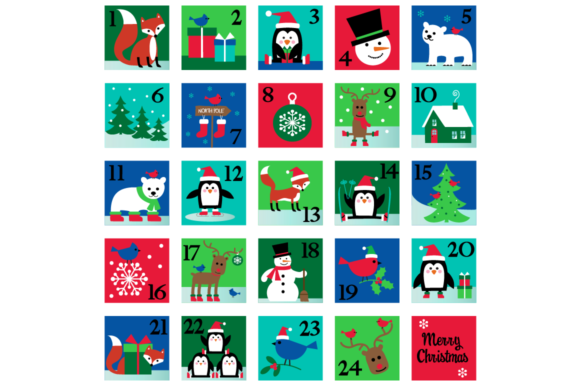
At first glance, Christmas Advent Calendar Graphic Month feels like a warm, inviting illustration that’s perfect for holiday-themed embroidery. The design carries a nostalgic yet modern vibe, with clean lines and soft curves that suggest a sense of anticipation and joy. It's not overly busy, but it has enough detail to make it feel intentional and crafted.
The layout is centered around a classic advent calendar format, which immediately sets the tone for holiday projects. The use of gentle shading and subtle textures gives it a hand-drawn quality that would translate well into handmade products or personalized gifts. I can see this design working beautifully on a custom embroidered tote bag, especially if paired with a complementary color palette.
Real-World Embroidery Performance
As an experienced designer, I tested Christmas Advent Calendar Graphic Month on a sample fabric to get a sense of how it would stitch up in real life. The design handles well with satin stitch and fill stitch, creating a smooth, even look that doesn’t feel too stiff or flat. The shapes are crisp, and the details—like numbers and small decorative elements—are clear without being overwhelming.
This makes it ideal for custom apparel such as sweatshirts, t-shirts, or caps. I also envision it as a great fit for embroidered patches, nursery decor, or even kitchen towels with a festive touch. For small shop products or Etsy listings, the design could be used as part of a seasonal collection, adding visual interest and variety.
It’s worth noting that Christmas Advent Calendar Graphic Month performs particularly well on medium-weight fabrics. It might need some extra attention when applied to thin fabric or curved surfaces like hats or caps, where the design could lose some of its clarity unless proper stabilizers are used.
Where to Use with Caution
While Christmas Advent Calendar Graphic Month is versatile, there are certain situations where it should be approached carefully. For instance, using it on dark fabric backgrounds may require adjusting thread colors to ensure visibility. Similarly, if you're working with textured fabrics or stretchy materials, you’ll want to test the design on a scrap piece first to avoid distortion.
When it comes to small hoop sizes, the design’s scale might be challenging to maintain without losing detail. And if you’re planning to use it on layered garments or products that need frequent washing, double-check the stitch density and consider using a heavier stabilizer to preserve the integrity of the design over time.
Design Impact and Practical Value
One of the key strengths of Christmas Advent Calendar Graphic Month is its ability to enhance the visual appeal of any project it’s applied to. Whether it's a holiday gift, boutique branding item, or craft business product, the design adds a touch of personality and professionalism. It’s also a strong asset for digital product sellers who need high-quality design assets for printable mockups or commercial embroidery projects.
The level of detail in the design helps create a sense of craftsmanship, which is essential for handmade products or personalized items. This kind of attention to detail can significantly boost customer trust and buyer engagement, especially for small shop owners or craft fair participants looking to stand out in a competitive market.
For Embroidery designers, it’s important to remember that while the design is visually appealing, it still needs to be adapted to the specific needs of each project. That means testing it on different fabrics, checking thread color contrast, and ensuring the stitch density is appropriate for the intended use.
Practical Embroidery Designer Notes
Before committing to using Christmas Advent Calendar Graphic Month in a finished product, take the time to review the embroidery file thoroughly. Test it on scrap fabric first to see how it looks in practice. Check the hoop size and adjust the design if necessary to fit your project.
Review the stitch density and make sure it’s suitable for the fabric type you're using. If you're planning to sell the final product, confirm whether the design is licensed for commercial use. Always compare the design on both light and dark fabric backgrounds to ensure it works across a range of applications.
Lastly, don’t forget to inspect small details closely, especially if you're using the design for tiny lettering or decorative accents. A little extra care goes a long way in making sure your finished product looks professional and polished.